
Prediction Markets vs Betting vs Gambling
At first glance, prediction markets can look much like betting. Money is committed to an event that has not happened yet, so it is easy to group them together. Their underlying mechanics, however, are quite different. This guide explains how prediction markets, sportsbooks, and gambling games operate, and where the important distinctions lie.
How Prediction Markets Work
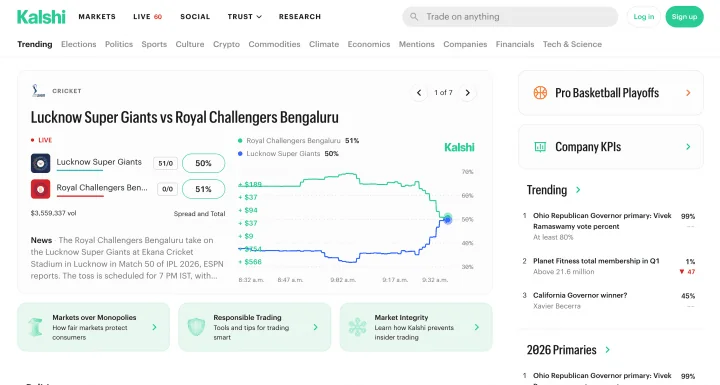
Prediction markets are not built like sportsbooks or casino games. There is no traditional house taking the other side. In a casino, the operator runs the game and earns from a built-in mathematical edge. A sportsbook, by contrast, sets the lines and pays successful customers from its own funds.
Instead, participants buy and sell contracts tied to future events. Four characteristics explain how this model works.
Contracts Get Traded as Probabilities
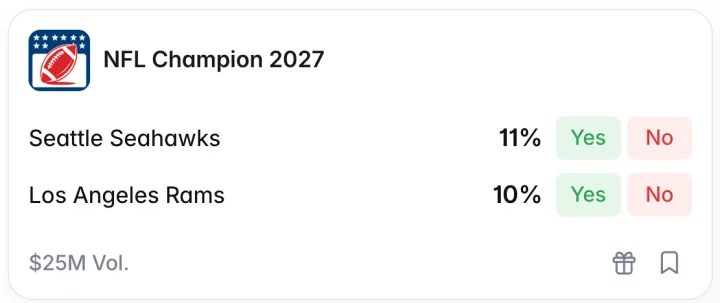
Contracts on these platforms trade at prices between $0 and $1. The figure is not arbitrary: it reflects the market’s collective estimate of an outcome. A price of $0.00 suggests a 0% chance, while $1.00 indicates that participants regard the outcome as certain. As users trade on research, analysis, or instinct, the price changes in real time.
Consider a baseball game between the New York Yankees and the Boston Red Sox.
- Yankees victory contracts trading at $0.60 imply that the market assigns them a 60% chance of winning.
- Red Sox contracts would be near $0.40, suggesting a 40% chance for Boston.
- If you buy a Yankees contract at $0.60 and they win, it settles at $1.00. If they lose, it settles at $0.00.
Users Are Trading With Other Users
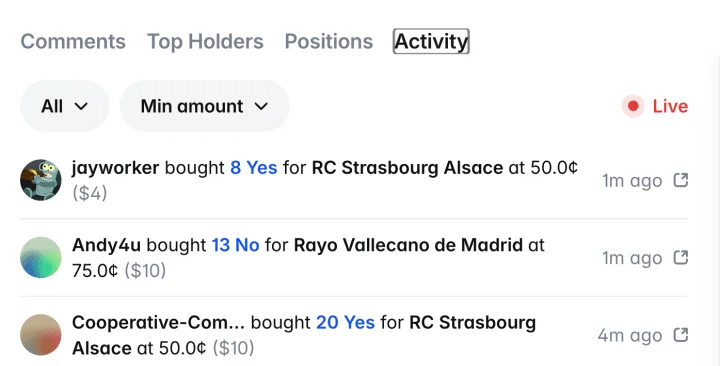
The money paid for a contract does not simply go into the platform’s account. It is matched with another user who has taken the opposing view.
That differs substantially from a conventional sportsbook or casino, where the operator is normally your counterparty. A sportsbook accepts the risk, publishes the lines, and earns from losing bets. A prediction market provides the venue without taking a financial position on which participant is correct.
You Can Get Out of a Position Before Things Settle
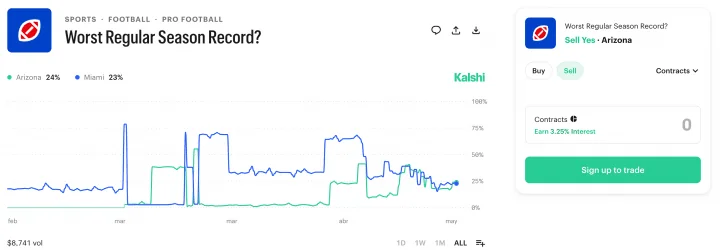
You do not necessarily have to hold a position until the event ends. If your view changes or you want to secure a gain, you may sell the contract before the result is determined.
This makes prediction markets look more like financial trading than ordinary betting. Rather than waiting for the final result, you can respond when the probability moves against you by selling to limit a loss, or sell when the market moves in your favour to take a gain.
Suppose you buy a "Yes" contract at $0.30 and later news lifts its price to $0.50. You can sell before resolution and receive the $0.20 difference per contract, subject to the platform’s trading conditions and fees.
Platforms Tend to Make Money Off Fees

Rather than depending on user losses, a platform generally earns through charges on trading activity. Fee schedules vary, but Kalshi offers a useful reference because it is one of the prominent regulated prediction-market names:
Its fee structure is described as follows:
- Settlement after the event concludes: no charge.
- Immediate buying or selling: a fee of up to roughly $1.75 per 100 shares when the individual contract price is $0.50.
- Pending orders waiting for a match: about $0.44 per 100 contracts when the contract price is $0.50.
- Card deposits: a commission of up to 2% of the amount deposited.
The platform can collect revenue whether a participant wins or loses. That is materially different from a sportsbook model whose income is tied to customers’ losing wagers.
How Sportsbooks Work
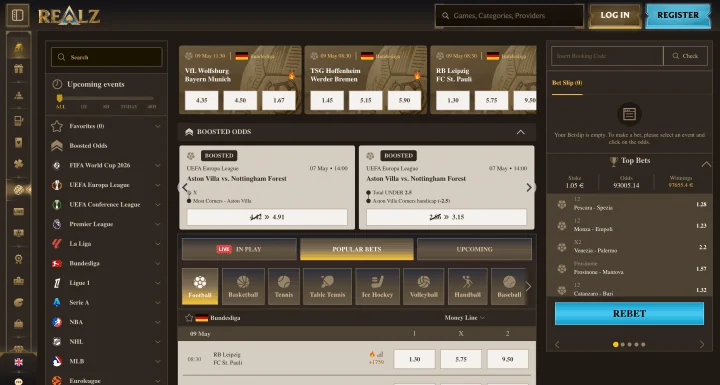
Sportsbooks use a different arrangement. Your wager is made against the operator, which creates the odds and pays winners from its own bankroll. If you lose, that stake contributes to the sportsbook’s revenue. Four features help define sports betting.
Odds Come From the Sportsbook
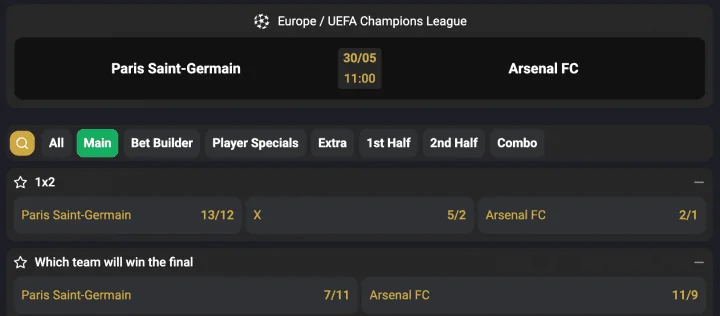
The sportsbook controls the displayed odds. Its oddsmakers build lines using factors such as injuries, historical results, team morale, and sometimes weather.
The operator sets the payout for each available outcome and may move the lines to manage its exposure.
That is unlike a prediction market, where prices emerge from collective trading. A bookmaker may react when substantial money arrives on one side, but the final price remains its decision. Customers either accept the offer or pass.
You Are Wagering Against the House
When you place a sportsbook wager, the house is generally your opponent. The operator occupies the other side of the bet.
A winning bet is paid from the operator’s funds, while a losing bet becomes revenue for it. The arrangement therefore creates a direct financial conflict between the customer and the platform.
Betting exchanges are a notable exception because users can bet against one another while the exchange takes a commission. On the mainstream betting apps most people use, however, the operator is usually the counterparty.
There Is a House Edge Hiding in the Price
Sportsbook odds do not usually equal the underlying mathematical probability. The built-in margin, often called the "vig" or "juice," allows the house to earn without listing a separate fee.
Take an NFL point spread on a familiar app for a Chiefs versus Bills game. Both sides are listed at -110 odds.
- You must stake $110.00 for the opportunity to win $100.00.
- The implied probability for each side is 52.38%.
- Adding them together, 52.38% plus 52.38% equals 104.76%, above the 100% that a perfectly fair market would display.
The excess 4.76% represents the house advantage built into the market. No matter which team wins, the sportsbook pays less than genuinely fair odds would suggest.
Bets Are Generally Locked In After You Place Them
Once a sportsbook accepts a bet, its original terms normally remain fixed. The wager stays at the odds you accepted, and you wait for the event to finish before knowing the result.
Some operators offer cash-out tools, but that is not the same as an open market. The sportsbook determines the buyback amount for your ticket, and you choose whether to accept it.
| Platform | Prediction Markets | Sportsbooks |
|---|---|---|
| Who sets the price | Supply and demand coming from the users. | The operator's in-house analytical team. |
| Who the user goes up against | Other people participating in the market. | The sportsbook itself. |
| How the platform earns revenue | Commissions on transactions or deposits. | The margin that is already embedded in the odds. |
| Can you exit positions early | Yes, by selling contracts whenever you want. | Only when and if they make a cash-out option available. |
Prediction Markets vs Betting
Prediction markets are open marketplaces in which users influence prices. Sportsbooks are closed systems where the operator sets the available terms.
| Platform | Prediction Markets | Betting |
|---|---|---|
| Market structure | Peer-to-peer setup. | Centralized model where you go against the house. |
| Price formation | Fluctuates freely based on user supply and demand. | Lines get established by the operator's analytical team. |
| Counterparty | Other participants using the platform. | The betting site itself. |
| Pricing format | Contracts trading anywhere between $0.00 and $1.00. | Odds with a profit margin folded in. |
| Revenue model | Transaction fees. | Margin inside the odds that results in payouts below true probability. |
| Early exit | Sell contracts freely at any point. | Depends on whether a cash-out feature is even offered. |
| Market scope | Politics, weather, economic data, sports, and plenty more. | Almost entirely centered on sports. |
| User experience | Feels a lot like financial trading. | Picking from static predictions. |
Market-Based Pricing vs Bookmaker Odds
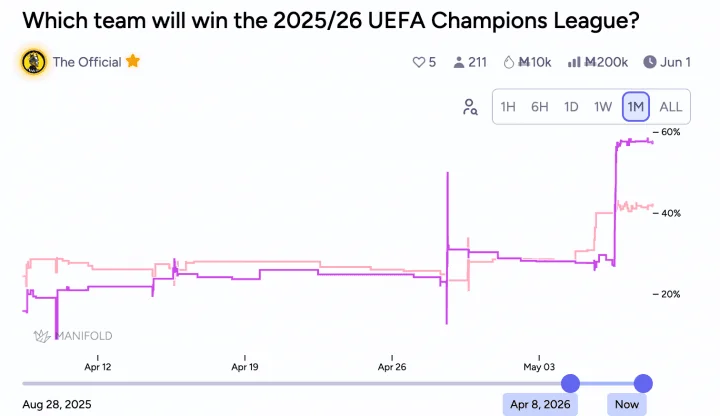
Prediction-market prices emerge from users buying and selling. They move according to what participants are willing to pay, producing a live indication of market sentiment at a particular moment.
Sports betting works differently: the house supplies the numbers. An operator can adjust its lines for risk management, but those prices are not a pure summary of public opinion. You assess the offered odds and decide whether they represent value.
Peer-to-Peer Trading vs Betting Against the House
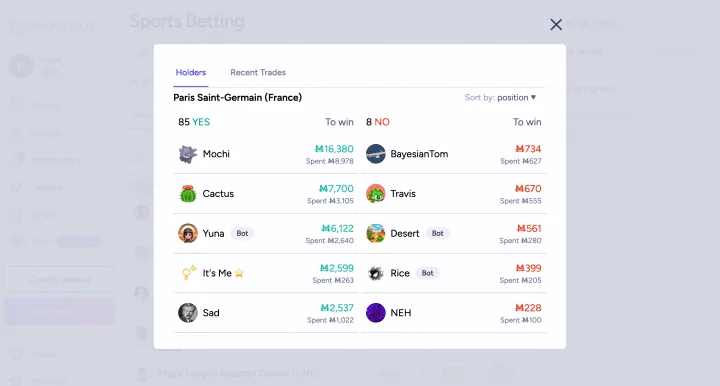
In a prediction market, the platform acts as an intermediary. You buy a contract while another participant takes the opposing position. Funds move between users, and the company itself does not normally have a stake in the outcome.
Sportsbooks reverse that arrangement. You face the bookmaker directly: a win is paid by the house, while a loss goes to it. The operator and customer therefore have opposing financial interests.
Tradable Positions vs Locked Bets
Prediction markets allow you to manage a position while an event remains unresolved. If circumstances change, you may exit early, secure a gain, or reduce a loss. That flexibility is a central part of the model.
Sportsbook wagers are mostly locked after placement. Unless the operator provides a cash-out option, you remain subject to the original terms until the event ends.
Fees vs Vig
Prediction markets generally present transaction fees directly, allowing you to see the stated cost before submitting a trade.
Sportsbooks take a different route by building their margin into the odds. There is no separate charge shown for the vig; the prices are adjusted so the operator pays less than fair risk-adjusted odds would imply.
Broader Event Markets vs Sports-Focused Wagering
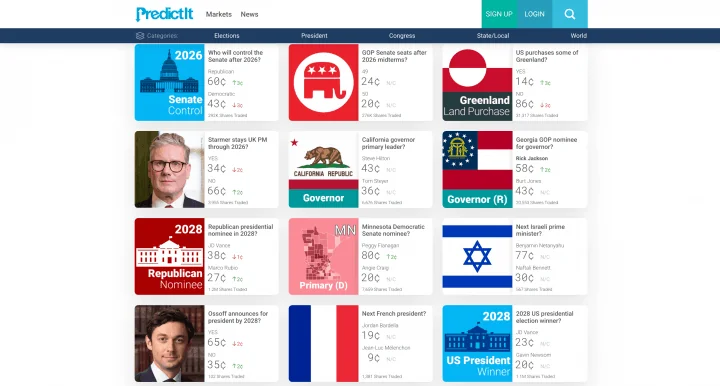
A typical betting app concentrates on sports. You may find a Super Bowl future or a World Series winner market, but events outside athletics are often much less common.
Prediction markets can cover a much wider range of subjects. Alongside sports, contracts may address topics such as:
- Politics: Which party will control the Senate, or who will win a particular state election.
- Economics: Whether the Fed will raise rates, cut them, or leave them unchanged at its next meeting.
- Cryptocurrencies: Whether Bitcoin will pass a specified price threshold before the calendar year ends.
- Weather: Whether New York will reach 90 degrees over the weekend.
- Pop culture: Which film will win Best Picture at the Oscars.
Prediction Markets vs Gambling
The gap between prediction markets and gambling can be even clearer. Gambling centres on chance: spin a roulette wheel or deal cards. Prediction markets instead involve interpreting information and forecasting real-world events.
| Platform | Prediction Markets | Gambling |
|---|---|---|
| Product structure | Peer-to-peer contract exchange. | Games built entirely around mathematical randomness. |
| Role of pricing | Shows the probability as defined by the users trading on it. | Structures payouts so the house keeps a mathematical advantage. |
| Role of the operator | Neutral intermediary, full stop. | Counterparty that builds the game and takes on the risk. |
| Skill vs chance perception | Analytical chops and risk management are essential. | Luck is doing almost all the heavy lifting. |
| Ability to trade or exit | Close out or sell positions whenever you want. | Stuck there until the round plays out. |
| How users participate | Trading financial contracts, same way a trader would on a desk. | Pushing chips onto a table or feeding bills into a slot machine. |
| How the product is typically viewed | Polling tool and collective forecasting mechanism. | Entertainment that hinges on chance and nothing more. |
Market Structure vs Traditional Gambling Mechanics
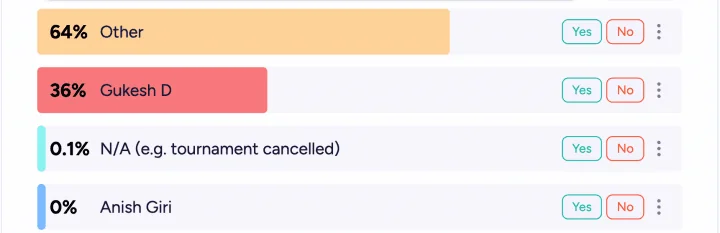
Prediction markets use tradable contracts and price discovery. Participants move the price through their actions, so the displayed figure represents the community’s collective view of an outcome’s probability.
Gambling games run on closed systems with a return to player, or RTP, built into the design. The house therefore retains a mathematical advantage regardless of the particular round.
Roulette provides the classic example. The wheel has 36 red and black numbers plus one green zero pocket. A winning red bet pays even money, but red is not genuinely a 50 percent proposition. Its actual probability is 48.64 percent: 18 red pockets out of 37 total pockets.
That additional green slot shifts the calculation toward the casino and gives it a lasting edge, whatever strategy a player attempts.
Trading Logic Up Against Chance-Based Play
Prediction markets share several features with financial trading. Participants review headlines, examine data, watch trends, and then decide whether to act. Managing a bankroll in this setting can resemble the routine of a stock trader.
Gambling is fundamentally different. Over the short term, each result is random; over the long term, the mathematics favours the house. Researching a slot machine or studying dice rolls cannot change the underlying result.
Why Folks Tag Prediction Markets as Information Markets
The label "information markets" is common for these platforms, and it reflects how their prices function. They act somewhat like a live thermometer for the views of a large group of participants.
When thousands of users commit real money according to their expectations, the resulting price can provide a useful estimate of how likely an event appears to be to that market.
As new information arrives, participants revise their holdings by buying and selling, causing prices to update rapidly. This ongoing adjustment can make the markets useful reference points for analysts and media outlets seeking a quick indication of possible direction.
Why They Still Get Thrown in the Same Bucket as Gambling
Despite their trading-like features, prediction markets still put money at risk on outcomes that are not guaranteed. That has led many regulators to focus less on the underlying technology and more on what the product does for its users.
From a legal perspective, staking money on non-financial events such as elections or award shows in the hope of receiving a payout can satisfy the elements of a gambling definition.
The legal treatment varies substantially from one jurisdiction to another.
- United States: The position is complicated. The CFTC treats some platforms as derivative markets, while rules still restrict contracts linked to games of chance or events considered contrary to the public interest.
- Great Britain: When an event is not financial in nature, it is classified as gambling. Platforms are treated as betting intermediaries and sit alongside betting exchanges for regulatory purposes.
- France: The government takes a firm approach. Prediction markets are treated as unauthorized gambling, and operators must actively block access from people located in the country.
- Germany: Betting legislation applies. Markets involving professional sports may be permitted under particular conditions, while political or social markets are excluded because of concerns about manipulation.
Why Prediction Markets Look a Whole Lot More Like Trading
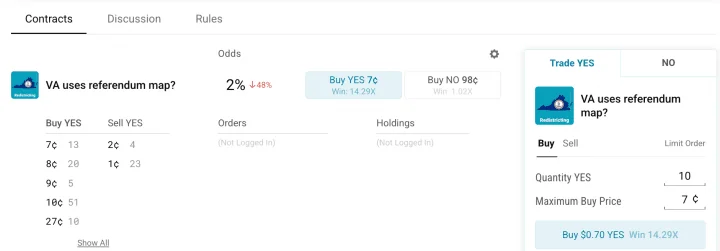
Taken together, these features explain why prediction markets can resemble financial trading more than conventional betting. Participants watch price movements, try to buy low and sell high, and trade against another participant holding the opposite position.
Prices Are Always on the Move
Prices in a prediction market do not simply settle and remain still. They adjust as new details emerge: a surprise report, fresh data, or even a rumour can move the market.
A sportsbook bet is fixed when placed, whereas supply and demand continually shift probabilities here. The experience can look much like watching a stock ticker.
That movement gives participants an opportunity to respond. If you expect a news item to change the market, you might buy while the price is low and sell if other traders later bid it higher.
Profit Hinges on Timing, Not Just Getting It Right
With a sportsbook, the final result is usually what determines whether the bet wins. In a prediction market, timing can also matter because a position may be sold before the underlying event finishes.
You might buy a contract when the market assigns an outcome a low probability, then see its price rise after a development makes that outcome appear more plausible. Closing the position before the event ends can lock in a gain, although profit is never assured.
Which Setup Suits Which Kind of Person
Prediction markets may appeal to people who enjoy research, data, and probability. They compare their own assessment with the market price and may trade when they believe they have identified a gap.
Sports betting may suit people with strong sports knowledge. They assess team performance and statistics while looking for value in lines they believe the operator has misjudged.
Gambling can suit someone seeking simple entertainment and quick results, without extensive research or detailed number-crunching.
| Model | Ideal Profile | Main Focus |
|---|---|---|
| Prediction Markets | Researchers and data-driven analysts | Weighing probabilities and managing buy and sell trades |
| Sportsbooks | Committed fans and sports specialists | Finding mathematical value or soft spots in the house lines |
| Gambling | Casual players | Fast, luck-dependent outcomes |
Final Verdict
Prediction markets, betting, and gambling all involve risking money on an unresolved outcome. Beneath that shared feature, their structures are quite different.
The main distinction is how prices are formed and how a position is managed. Betting and casino gambling expose you to fixed odds or a house edge, while prediction markets let participants shape prices and may allow you to close a position before the event ends rather than hold it through resolution.